
Karaage & Sake: Elevate Your Japanese Dining Experience

Chizuru Fukui
What is Karaage?
Simply put, it's Japanese fried chicken. Boneless chicken thigh is marinated in a soy sauce-based mixture, coated in flour or potato starch, and deep-fried to crispy perfection. Loved by both adults and children, karaage is one of the most popular foods in Japan. It’s a common addition to bento boxes and is enjoyed everywhere—from home kitchens and restaurants to festival food stalls. Depending on the region or the person making it, flavors and names vary, creating a diverse and exciting range of karaage styles. The origins of karaage are debated, but it is believed to have been influenced by Chinese cooking techniques introduced in the early Edo period. After World War II, Japan saw a rise in poultry farming due to government policies, leading to experimentation with chicken dishes. As a result, karaage was developed and quickly became popular across the country. Unlike fried chicken, which gets most of its flavor from a seasoned coating, karaage is marinated, allowing the seasoning to penetrate deep into the meat. This results in a rich, flavorful bite—crispy on the outside, yet tender and juicy inside. Karaage is delicious on its own, but you can also squeeze lemon over it, dip it in mayonnaise or sriracha sauce, or sprinkle spices like cumin or sansho pepper for a unique twist. The possibilities are endless—find your favorite way to enjoy it!
How to Make Karaage
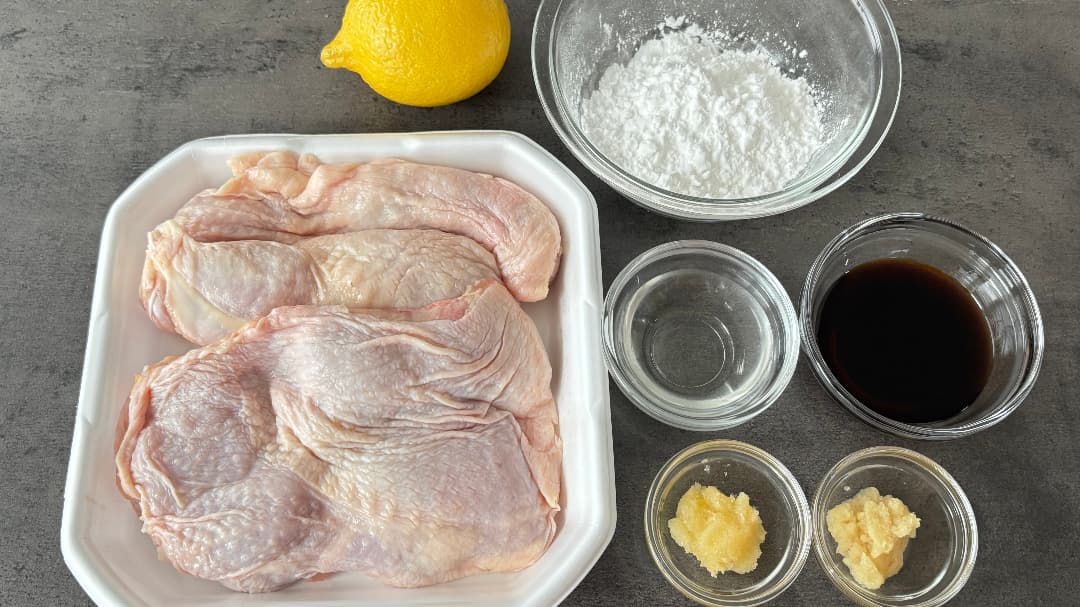
Ingredients (Serves 2–3)
- Chicken thighs (skin-on, boneless) – 450g (approx. 1 lb) Tip: In Japan, skin-on chicken thighs are commonly used for their juiciness, but you can also use skinless thighs or chicken breasts as a substitute. - Soy sauce – 2 tbsp - Sake – 2 tbsp (Dry white wine works as a substitute.) - Garlic (grated) – 1 clove - Ginger (grated) – 1 tsp - Potato starch or cornstarch – 1/2 cup - Cooking oil – for frying - Lemon (optional)
Method
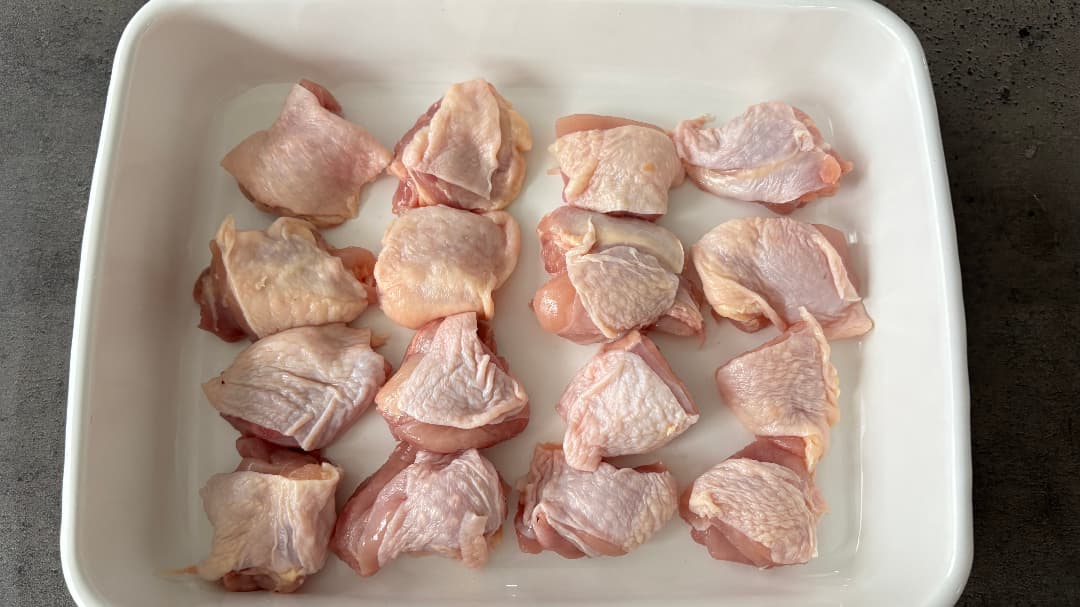
1. Prepare the Chicken Cut the chicken thighs into bite-sized pieces, about 2 inches (5 cm) wide.
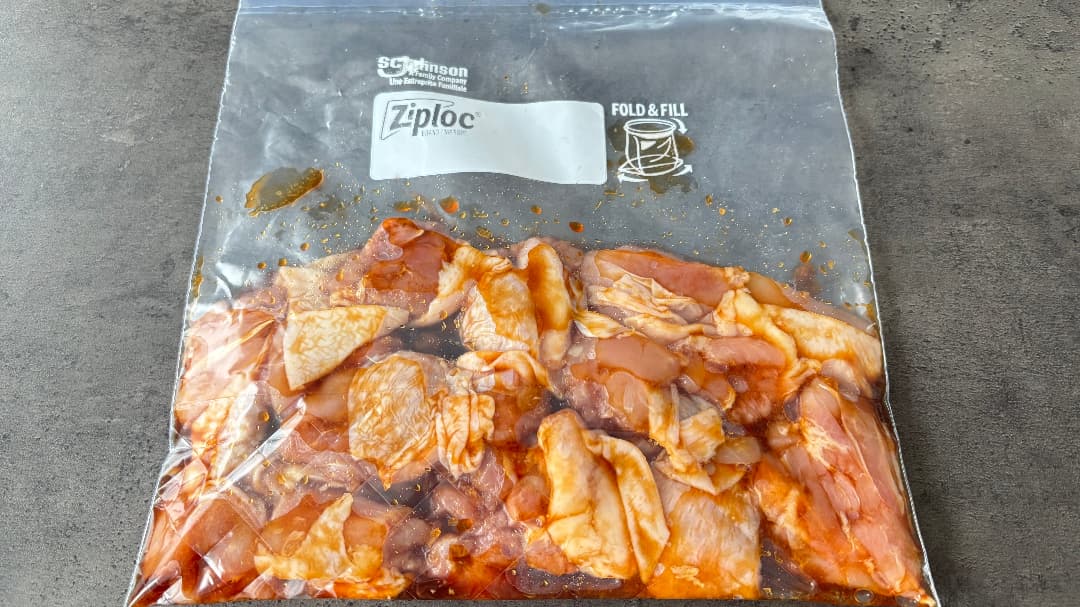
2. Marinate In a bowl or plastic bag, mix soy sauce, sake, grated garlic, and grated ginger. Add the chicken pieces and ensure they’re well coated. Seal and marinate in the refrigerator for about 30 minutes.
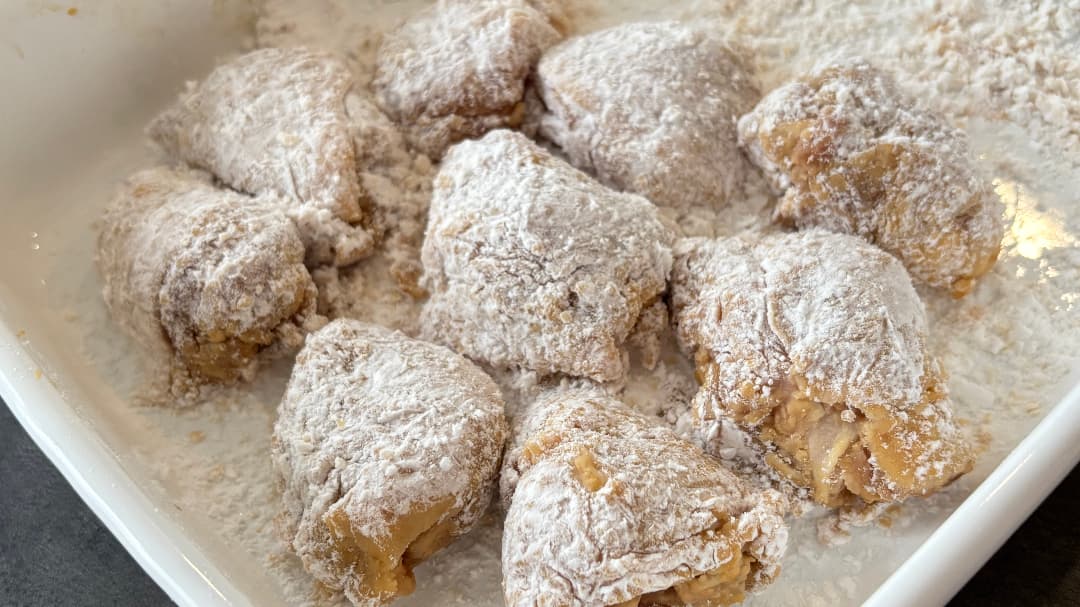
3. Coat the Chicken Spread potato starch on a plate. Remove the chicken from the marinade, letting any excess liquid drip off. Coat each piece thoroughly in potato starch.
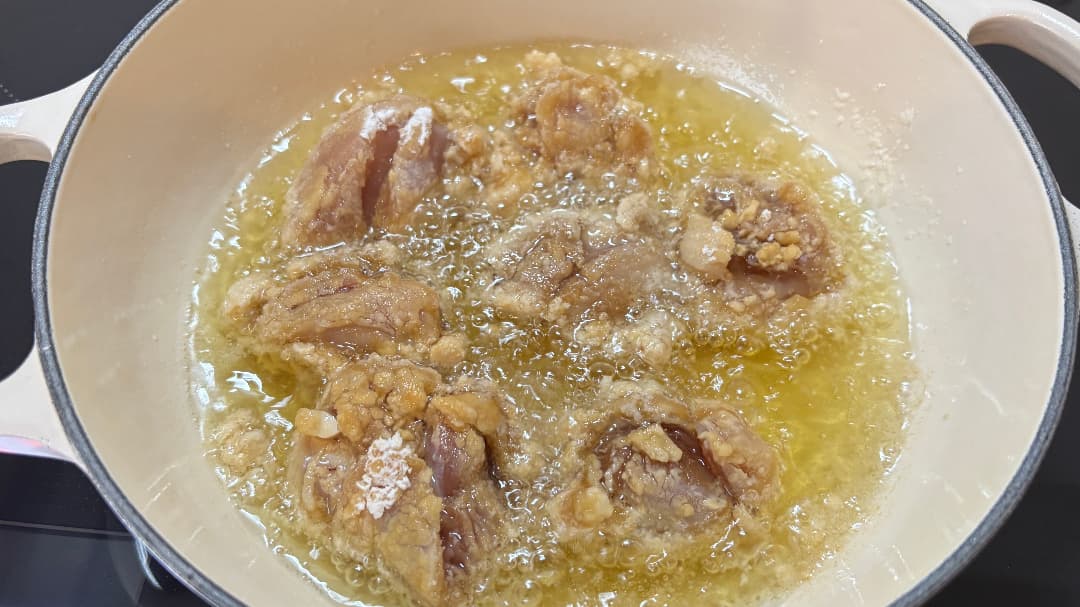
4. Heat the Oil In a deep frying pan or pot, heat about 1.5 cm (0.6 inches) of cooking oil to 170°C (340°F).
5. Fry in Batches Carefully add the chicken pieces one at a time. Fry for 3–4 minutes until the outside is golden. Remove and let them rest for 1–2 minutes on a wire rack or paper towel.
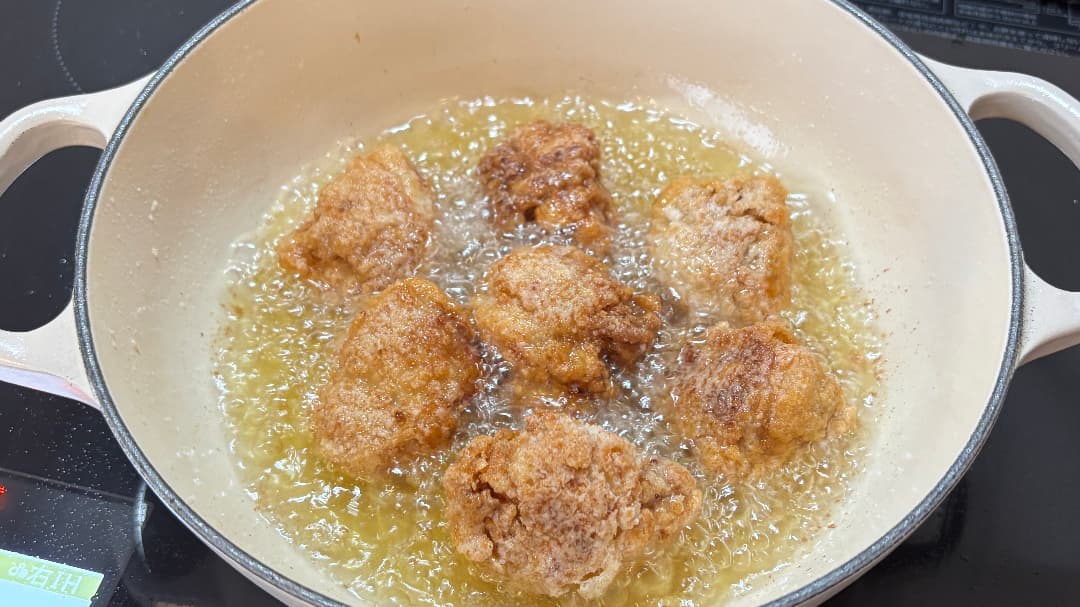
6. Double Fry for Extra Crispiness Increase the oil temperature to 190°C (375°F). Fry the chicken again for 1 minute to achieve that perfectly crispy texture.
7. Serve and Enjoy Drain the excess oil on paper towels. Serve with a wedge of lemon and your favorite sides, like shredded cabbage or rice.
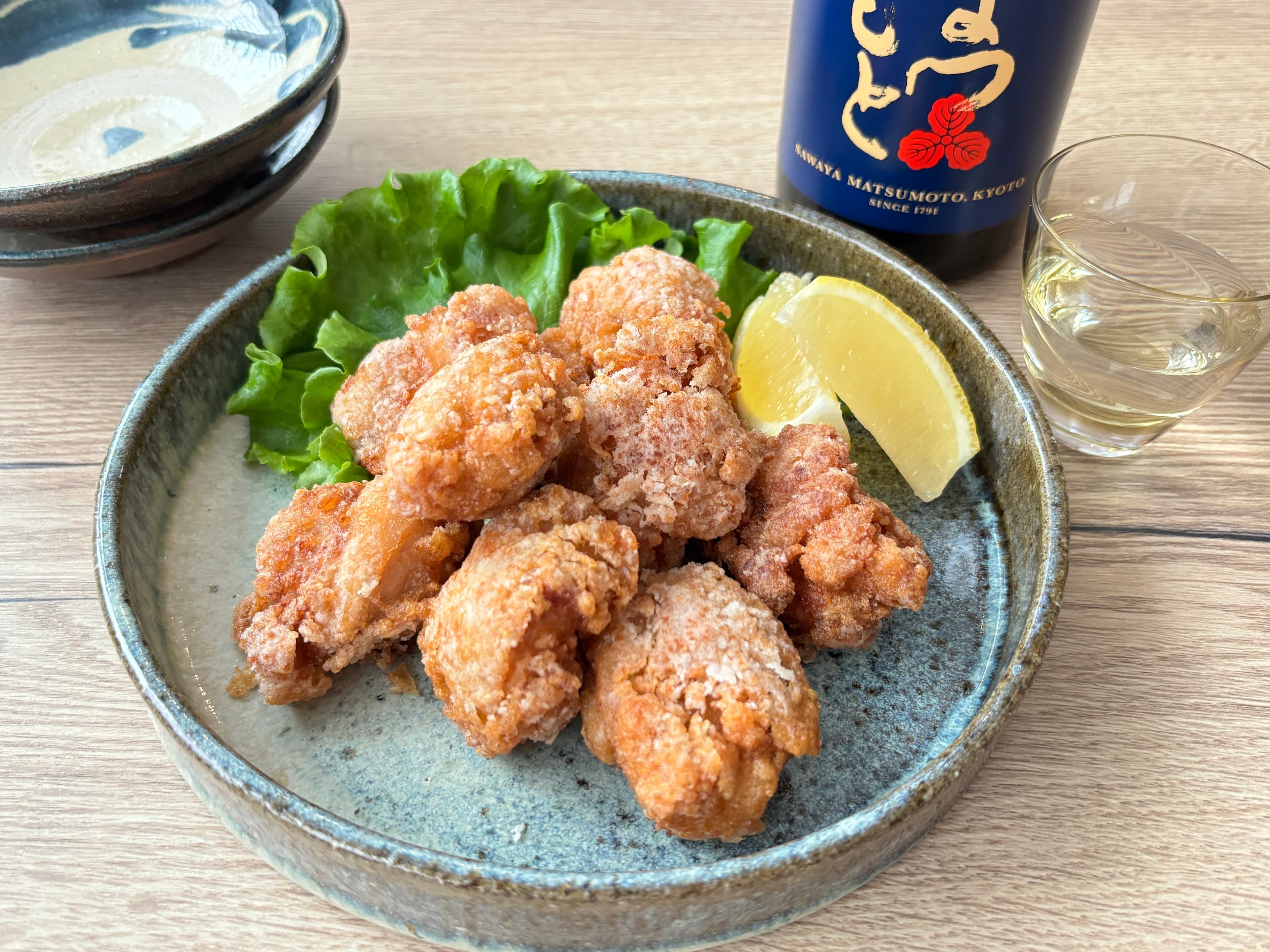
Best Sake Pairings for Karaage
Karaage is undeniably delicious on its own, but when paired with sake, it opens up an entirely new level of flavor. The richness of fried chicken pairs beautifully with certain types of sake, balancing the flavors and enhancing the dining experience. Here are some recommendations:
Full-Bodied Yamahai or Kimoto
These traditional sake styles have a bold, robust profile with pronounced umami, making them an excellent match for the savory richness of karaage. Their complexity ensures they won’t be overpowered by the dish’s flavor.
Learn more about Yamahai sake in this article.Dry Sake (Karaguchi)
The crisp, clean flavors of a dry sake help cut through the oiliness of karaage, leaving your palate refreshed.
Nigori Sake
The creamy texture and slightly sweet notes of nigori sake hold their own against the fatty, juicy texture of karaage. Its boldness creates a harmonious balance with the fried chicken.
Koshino Sesshu Honjozo Nigori 'Snow Boat'How to Serve Your Sake
Warm Sake (40–50°C / 104–122°F)
Serving sake at a warm temperature, such as nurukan (gentle warmth) or atsukan (hot), ccomplements karaage wonderfully. The warmth of the sake harmonizes with the hot, crispy chicken, creating a perfect balance. When warmed, full-bodied types like Yamahai or Kimoto reveal enhanced rice sweetness and umami. This creates a richer, smoother flavor that pairs beautifully with the succulent karaage.
Discover New Flavors
Pairing karaage with sake is not just about enjoying delicious food—it’s an opportunity to explore and experiment with flavors. Try different sake styles, temperatures, and pairings to find your perfect match. Cheers to enjoying karaage with sake and elevating your dining experience! 🍶✨
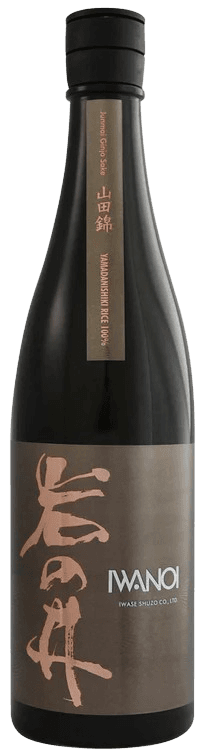
Iwanoi Junmai Ginjo Yamahai Nakagumi Nama
Score from Experts

87
Rating from Customers
4.3
1 reviews
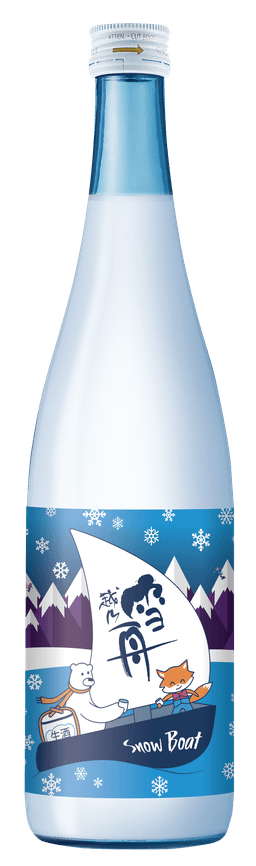
Koshino Sesshu Honjozo Nigori 'Snow Boat'
Rating from Customers
4.5
1 reviews