
Met a high quality sake and how I fell in love

Ryosuke Kuga
Back in my university days, I used to visit a liquor store near my house that carried bottles of Dassai and Aramasa, which weren’t all that famous at the time. I’d buy them occasionally, pair them with sashimi or Japanese food, and think, “Hey, this is pretty good!” But honestly, I didn’t have the habit of drinking sake back then. Most of my drinking was at parties with friends, where I’d just mindlessly drink beer, lemon sours, or whiskey soda. I knew sake was delicious, but the crowd I hung out with and the types of food we ate didn’t really encourage me to dive deeper into the world of sake. Fast forward a few years. After graduating from university, I started working—and that’s when everything changed. What pulled me into the sake rabbit hole was, of all things, a work-related farewell party. Not long after I joined the finance department, one of the executives in our team was promoted and transferred to a different role. Naturally, we decided to throw a farewell party, and since I was the youngest in the team, the job of picking the venue fell to me. (Classic Japanese workplace culture, right?) This executive was actually the one who hired me, so I saw this as the perfect chance to show my gratitude. The problem? I’d just started at the company and barely knew him, let alone worked with him enough to have any deep conversations. The only thing I knew about him was that he was a massive sake enthusiast. So, I had an idea: if I couldn’t impress him with work talk, maybe I could connect with him over sake. I started going to restaurants near the office that specialized in sake, eating and drinking by myself while searching for the perfect spot. I figured that even though I couldn’t match his experience in work, I could try speaking his “language” through sake. To do that, I dove into everything I could learn about sake. Who makes it? How is it brewed? What kinds of flavors are there? What foods pair well with it? Where can you find it? What’s the sake industry like? I was soaking it all in. What really blew me away, though, was the people I met during this process. The staff at sake restaurants and liquor stores were all so friendly and incredibly passionate about sake. Their knowledge and enthusiasm were on another level, and it made me even more excited to learn. Before I knew it, I wasn’t just researching a farewell party venue—I was actually enjoying sake for myself. In the end, I picked a place with 200 different types of sake and a 3-hour all-you-can-drink plan for the farewell party. And it turned out to be a hit! The party was so much fun. I got to bond with colleagues I rarely spoke to at work, and we all had a great time discussing sake—comparing flavors, talking about regions and brewing methods, and sharing our opinions on what we liked. It wasn’t just enjoyable; it was deeply satisfying. That night, I fell head over heels for sake. And honestly? I’ve been stuck in the sake rabbit hole ever since. (Fun fact: within a year, I somehow ended up with three refrigerators in my tiny apartment to store all my bottles. The picture is my first refrigerator filled with what I bought just after having that in 2016. At that time, we could easily get Aramasa No.6...) The farewell party was a huge success, and the executive loved the venue. After that, I even got invited to exclusive sake gatherings with the company’s 'Sake' executives. And that’s how my sake journey began. Oh, and the bottles that got me hooked? Sharaku, Kakurei, Aizu Chujo, Genbu and Fukucho—all amazing choices that I still hold close to my heart. And the venue was 'Manryo(萬亮)' in Daimon, Tokyo. --Kuga
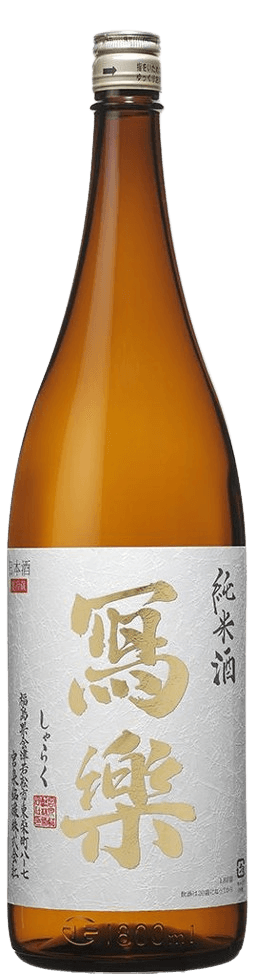
Sharaku Junmai
Miyaizumi Meijo Brewery Company
Fukushima
Score from Experts

88
Rating from Customers
4.4
4 reviews
A well-balanced type with freshness, richness, and a good sharpness. This junmai sake has a fruity aroma on the palate and a well-balanced flavor of rice that spreads in the mouth with a clean and crisp aftertaste. It is recommended to be served cold, and is a perfect food sake that goes well with all kinds of food.
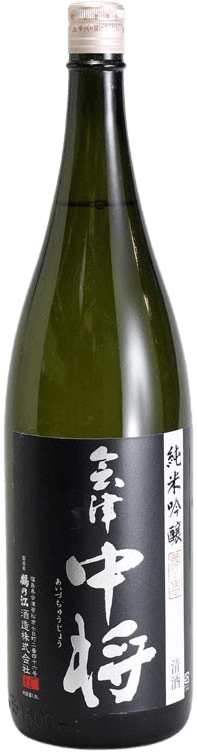
Aizu Chujo Junmai Ginjo Yumenokaori
Tsurunoe Brewery Company
Fukushima
Score from Experts
84
Rating from Customers
4.2
1 reviews
This Junmai Ginjo is made from Fukushima Prefecture's "Yumenokaori" rice suitable for sake brewing and brewed with "Utsukushima Yume Yeast", focusing on the "Fukushima Brand". It has a clean, clean aroma and a fruity, gentle sweetness. It has a sharp mouthfeel and a very well-balanced taste.
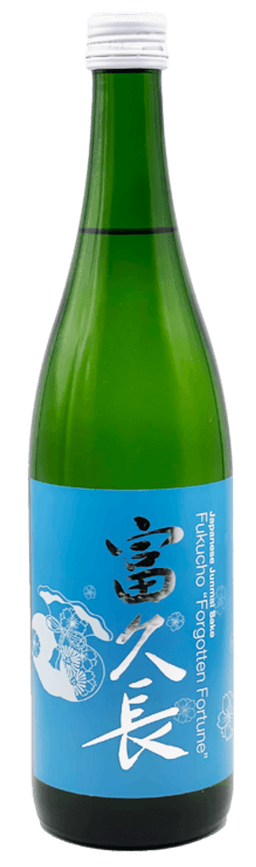
Fukucho Junmai 'Forgotten Fortune'
Imada Shuzo Honten Brewery Company
Hiroshima
Rating from Customers
3.9
2 reviews
This sake offers a refreshing and complex profile with crisp mineral notes and an earthy character. It begins with an astringency reminiscent of apple skin, which then transitions into a creamy oat milk finish that retains its earthy undertones. On the palate, it also exhibits a touch of saltiness, herbal hints, and additional mineral nuances. Goes well with bitter vegetables, oysters, scallions, etc.
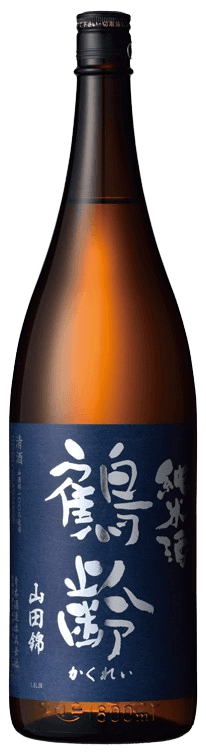
To enhance the rich umami and depth of flavor, we used Yamada Nishiki rice polished to 65%, avoiding over-refinement. This classic method brings out the full-bodied umami and richness unique to Yamada Nishiki. You can experience a variety of flavors in this sake. While it is rich and full-bodied, it also has a clean finish, one of the charms of Kakurei. This is a masterpiece, rare in Niigata, that combines rich umami with excellent balance.
Share on SNS