


What Is Yamahai?

Kenta Hara
TL; DR (3 Tips of Yamahai and curated selections for Yamahai sake)
- Yamahai is a traditional, old-fashioned sake brewing method known for its pronounced umami and acidity.
- Its full-bodied character makes it an excellent match for meat dishes and Western-style fare like cheese.
- For a richer tasting experience, try chilling Yamahai and serving it in a wine glass, then warm it and enjoy from a more traditional ochoko cup.
Curated Selections for Yamahai
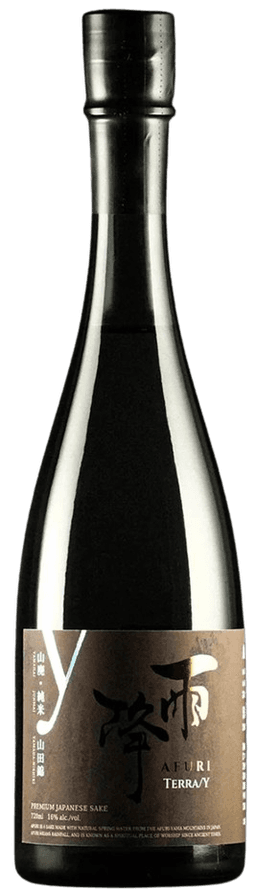
1. Afuri Junmai Yamahai Terra/Y2. Iwanoi Junmai Ginjo Yamahai Nakagumi Nama
3. Nechi Otokoyama Junmai Yamahai
Why “Yamahai” Matters
- Artisanal Approach: Brewers embrace a natural, time-intensive method.
- Distinctive Flavor: Expect deeper notes of earthiness, acidity, and savory richness.
- Cultural Heritage: Yamahai is rooted in centuries-old Japanese brewing traditions.
A Brief History of Yamahai Brewing
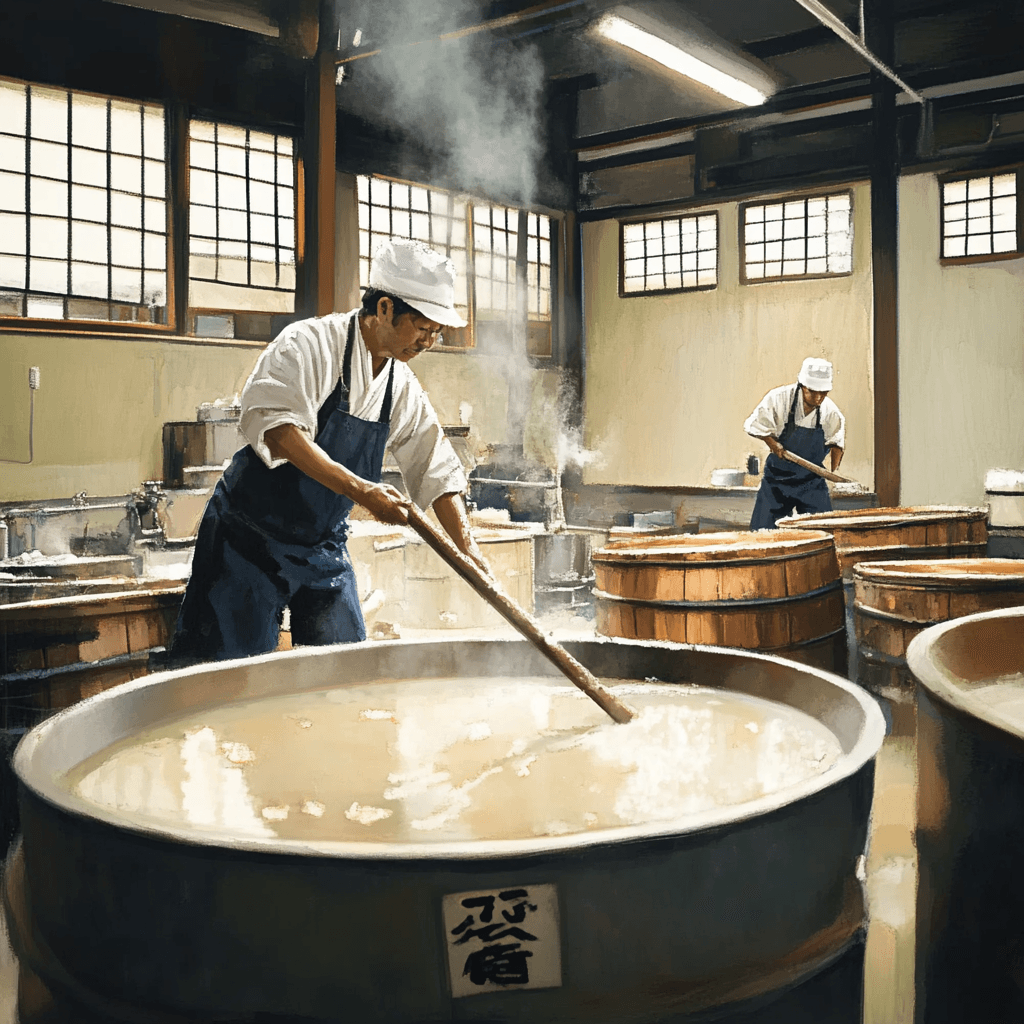
The Yamahai method evolved from the older Kimoto brewing process. Historically, Kimoto required manual mashing of the rice and koji (a special mold used for fermentation) to develop lactic acid. In the early 1900s, brewers discovered that the manual stirring, known as “yama-oroshi,” could be skipped under specific conditions—giving birth to the term “Yamahai” (short for “yama-oroshi haishi,” meaning the cessation or “abolishment” of the laborious stirring). Over time, Sokujo (the modern, fastest method) became widespread due to its streamlined production and fewer risks. However, those who appreciate traditional Japanese culture and more robust flavor profiles still hold Yamahai in high regard, and in recent years, it has experienced a resurgence among craft and artisanal brewers.
How Yamahai Differs from Kimoto and Sokujo
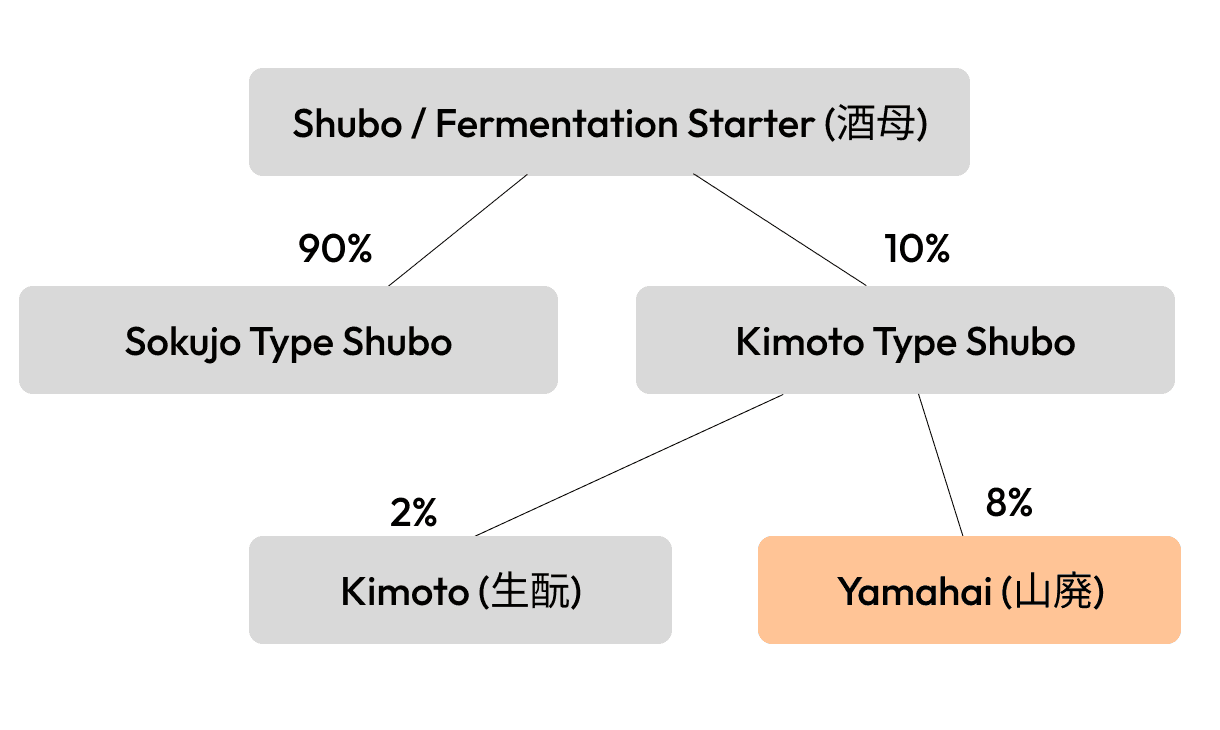
Kimoto vs. Yamahai
- Kimoto: The oldest method, involving manual mashing of rice, water, and koji to encourage natural lactic acid development. Known for deep complexity and umami.
- Yamahai: A “no-stir” adaptation of Kimoto. Still relies on natural lactic acid development but omits strenuous stirring. Retains much of Kimoto’s complexity while simplifying the process.
Sokujo vs. Yamahai
- Sokujo: Developed in the early 20th century, Sokujo adds lactic acid directly, significantly speeding up fermentation and reducing the risk of unwanted bacteria. It produces a cleaner, lighter taste.
- Yamahai: Allows lactic acid to develop on its own, resulting in full-bodied flavors, bolder acidity, and more pronounced earthy or gamey notes.
The Yamahai Flavor Profile
One of the main reasons Yamahai remains celebrated is its distinctive, assertive profile. While flavor can vary from brewery to brewery, common characteristics include:
- Robust Umami: Offers savory, sometimes mushroom-like nuances.
- Lively Acidity: The extended fermentation encourages tangier notes, balancing the richness.
- Earthy Undertones: Hints of forest floor or nuttiness can appear, adding depth.
- Complex Aftertaste: A layered finish that lingers on the palate.
Because of its bolder nature, Yamahai sake often stands up to richer dishes and can even be enjoyed by those who typically prefer wine or heavier spirits.
Featured Yamahai Sakes
Below are some standout Yamahai sakes that demonstrate the technique’s versatility and depth.
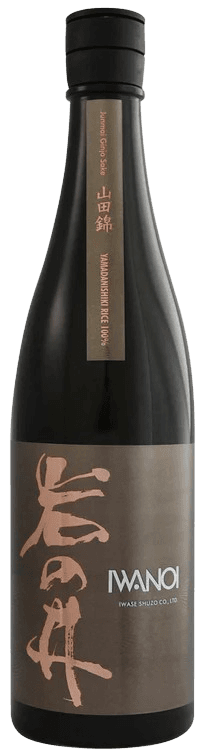
Iwanoi Junmai Ginjo Yamahai Nakagumi Nama
Score from Experts

87
Rating from Customers
4.3
1 reviews
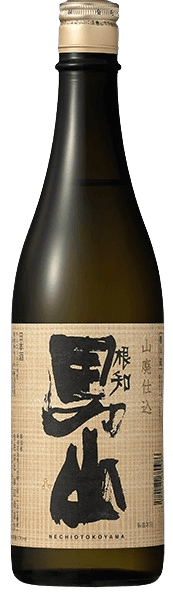
Nechi Otokoyama Junmai Yamahai
Rating from Customers
-
no reviews
Serving & Pairing Yamahai Sake
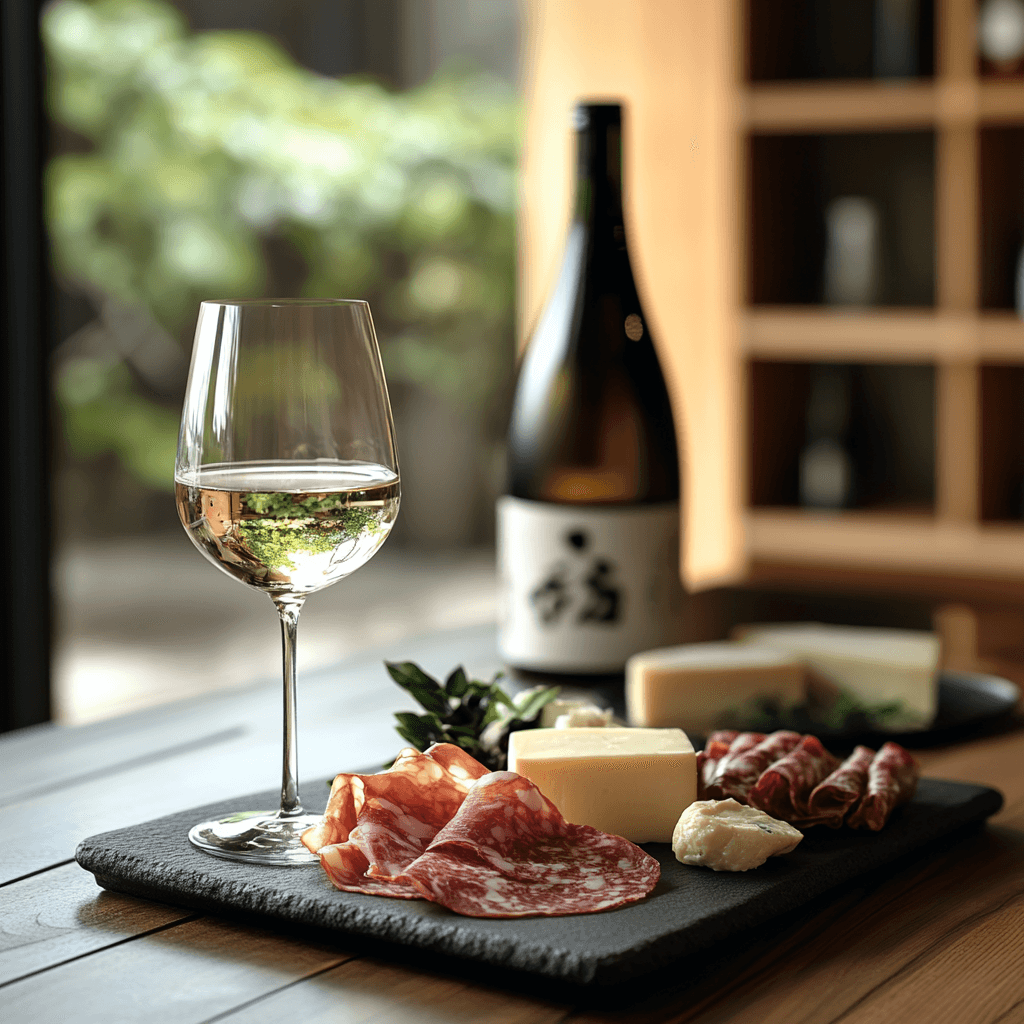
Here are some tips and pairing suggestions:
Temperature and Glassware:
We recommend first trying it chilled (10°C, 50°F) in a wine glass, then warming it up (50°C, 120°F) and serving it in an ochoko sake cup. This allows you to enjoy how the aromas and umami flavors change.
Food Pairings:
- Rich Proteins: Lamb, pork, and beef dishes harmonize with Yamahai’s full-bodied nature.
- Cheese: Yamahai can stand up to cheeses.