
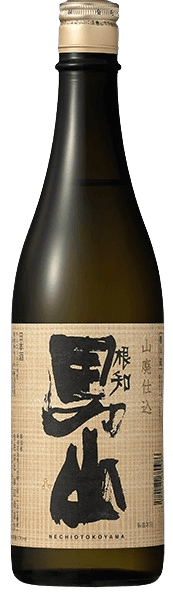
Nechi Otokoyama Junmai Yamahai
Rating from Customers
-
no reviews
Details
Characteristics
Pairing
Best Temperature
Watanabe Shuzoten Brewery Company (Nechi Otokoyama)
Niigata
Other Sakes from Watanabe Shuzoten Brewery Company (Nechi Otokoyama)

Reviews
Great alternatives for you!
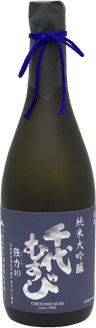
For Sale
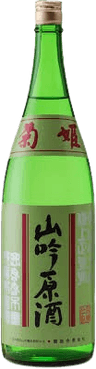

93
4.7
3 reviews
Kikuhime Yamagin Genshu
Kikuhime Brewery Company
91
4.5
1 reviews
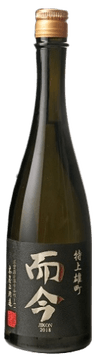
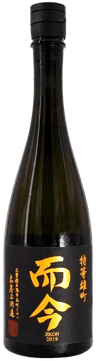
Jikon Junmai Daiginjo Tokujo Omachi
Kiyashow Brewery Company
88
4.5
8 reviews
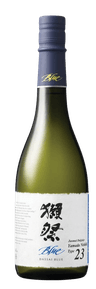
Dassai Blue Junmai Daiginjo 23
Dassai Blue Sake Brewery Company
88
4.4
4 reviews
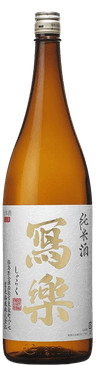
Sharaku Junmai
Miyaizumi Meijo Brewery Company
86
4.5
5 reviews
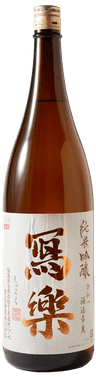
Sharaku Junmai Ginjo
Miyaizumi Meijo Brewery Company
-
no dataJikon Junmai Daiginjo Tokuto Omachi
Kiyashow Brewery Company
85
4.2
2 reviews
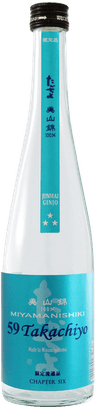
Takachiyo Junmai Ginjo Miyamanishiki 59
Takachiyo Brewery Company
88
4
14 reviews
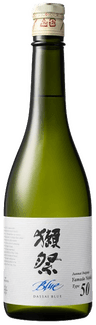
Dassai Blue Junmai Daiginjo 50
Dassai Blue Sake Brewery Company
81
4
1 reviews
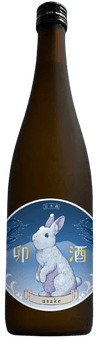
Usake Junmai Ginjo Muroka Nama 'Yuki Usagi'
Daitengu Brewery Company
4.5
1 reviews
Afuri Junmai Ginjo Mizumoto
Kikkawa Jozo Brewery Company
Related Articles

Kenta Hara
What Is Yamahai?
"Yamahai" is a traditional sake brewing process that highlights the natural development of lactic acid in the sake starter (also known as “shubo” or “moto”). Unlike modern methods, Yamahai allows lactic bacteria to flourish in a slower, more deliberate environment, resulting in bold flavors and heightened umami. This time-honored technique stands out for its rustic character, offering a taste experience that’s both rich and complex.

Ryosuke Kuga
What is 'Karakuchi' Sake?
When you look at a sake label on a bottle or read a review on sake, you will see this word 'Karakuchi'. Actually, even in Japan, this word confuses people whose 1st language is Japanese and let me explain this today. Conclusion - Dryness First of all, 'Karakuchi' is a word to describe a flavor of something to eat or drink. ‘Karakuchi’ can be divided to 'Kara' and 'Kuchi'. 'Kara' usually means 'spicy' (like a pepper), but especially when we talk about alcoholic beverage, 'Kara' means ‘opposite of sweet’ or 'dry' impression. It is also different from bitter. And 'Kuchi' means a flavor in this sense. Most importantly, how we feel is totally subjective, which means how you feel is defined by how you grow up, it is hard to distinguish 100% which is Karakuchi or not. However, it can be determined to some extent by ‘Nihonshu-Do’ (Sake meter value, ‘SMV’. This is in number such as +10 and -15 (greater is drier) this indicates how much sugar is contained in a sakes. Let’s focus on ‘Karakuchi’ today and see what SMV mean next time.) Example – SMV is greater than +1.4, a sake tends to be classified as ‘Karakuchi’. How to make dry sake is to let a yeast eat up all the sugar during fermentation. The yeast eats up the sugar produced by a koji and turns it into alcohol. The less sugar that remains, the drier the sake is. In my experience, ‘Karakuchi’ sakes go well with Japanese food such as sashimi, sushi. My favorite Karakuchi sake is Yorokobigaijin (Maruo Honten) from Kagawa prefecture, Kikuhime (Kikuhime Co., Ltd) from Ishikawa Prefecture and Hiokizakura (Yamane shuzo) from Tottori prefecture. The most important thing is we enjoy sake without thinking difficult or complicated stuff - regardless of the Karakuchi or not, all the sake is great. I’ll help you find your sake in the world. --Kuga


Nechi Otokoyama Premium Yamahai Junmai
Sold by Sake Trend
$44.79
SOLD OUT