
What is 'Karakuchi' Sake?

Ryosuke Kuga
When you look at a sake label on a bottle or read a review on sake, you will see this word 'Karakuchi'. Actually, even in Japan, this word confuses people whose 1st language is Japanese and let me explain this today. Conclusion - Dryness First of all, 'Karakuchi' is a word to describe a flavor of something to eat or drink. ‘Karakuchi’ can be divided to 'Kara' and 'Kuchi'. 'Kara' usually means 'spicy' (like a pepper), but especially when we talk about alcoholic beverage, 'Kara' means ‘opposite of sweet’ or 'dry' impression. It is also different from bitter. And 'Kuchi' means a flavor in this sense. Most importantly, how we feel is totally subjective, which means how you feel is defined by how you grow up, it is hard to distinguish 100% which is Karakuchi or not. However, it can be determined to some extent by ‘Nihonshu-Do’ (Sake meter value, ‘SMV’. This is in number such as +10 and -15 (greater is drier) this indicates how much sugar is contained in a sakes. Let’s focus on ‘Karakuchi’ today and see what SMV mean next time.) Example – SMV is greater than +1.4, a sake tends to be classified as ‘Karakuchi’. How to make dry sake is to let a yeast eat up all the sugar during fermentation. The yeast eats up the sugar produced by a koji and turns it into alcohol. The less sugar that remains, the drier the sake is. In my experience, ‘Karakuchi’ sakes go well with Japanese food such as sashimi, sushi. My favorite Karakuchi sake is Yorokobigaijin (Maruo Honten) from Kagawa prefecture, Kikuhime (Kikuhime Co., Ltd) from Ishikawa Prefecture and Hiokizakura (Yamane shuzo) from Tottori prefecture. The most important thing is we enjoy sake without thinking difficult or complicated stuff - regardless of the Karakuchi or not, all the sake is great. I’ll help you find your sake in the world. --Kuga
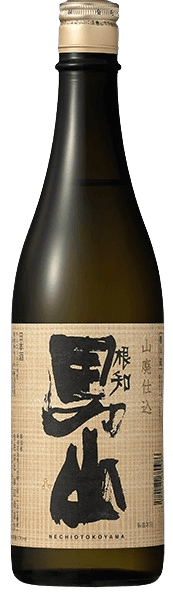
Nechi Otokoyama Junmai Yamahai
Rating from Customers
-
no data
no reviews
The aroma is gentle, but once sipped, a refined fragrance fills the mouth, creating a pleasant experience. It reveals the rich, well-rounded umami characteristic of the yamahai method, with a clean acidity that finishes gracefully. While elegant in flavor, it pairs well with rich, bold dishes, oily foods, and meat. Despite its seemingly complex profile, it finishes surprisingly smooth and refreshing.

Taiyozakari Tokubetsu Junmai
Rating from Customers
-
no data
no reviews
This pure rice sake is crafted with the local rice variety ‘Gohyakumangoku,’ emphasizing the essence of Niigata. While it minimizes the typical quirks of pure rice sake, its distinctive acidity enhances the overall flavor.
Share on SNS