

Best Sake for Beginners: The Ultimate Japanese Sake Guide

Kenta Hara

Introduction: Discover Japanese Sake – A Beginner’s Journey
Japanese sake is a centuries-old, rice-based beverage that has captured the hearts of many worldwide. For U.S. beginners looking for the best sake for beginners, this guide is your starting point. Sake is made from rice, water, and koji mold, and its flavors can range from crisp and clean to rich and full-bodied. Our mission is to help you understand Japanese sake, its classifications, and why it’s the perfect drink for your next culinary adventure. Let’s dive into the world of sake and discover the perfect bottle that will transform your dining experience.
1. What Is Sake? – Japanese Sake Basics for Beginners
Japanese sake, often simply called “sake” in Japan, is an alcoholic beverage brewed from rice. Here’s what every beginner needs to know:
Definition
Japanese sake is a traditional fermented rice drink. It is made by converting the starches in rice into sugars and then fermenting them into alcohol. This unique process makes Japanese sake very different from beer or wine.
Brewing Process
Unlike wine or beer, sake is brewed through a two-step fermentation process. First, rice is converted into sugar using koji mold, then the sugar ferments into alcohol. This careful process creates the delicate flavors found in the best sake for beginners.
Alcohol Content and Flavor
Sake typically has an alcohol content of about 15%, similar to wine. However, the flavor profile can range from fruity and floral to earthy and robust, making it accessible and exciting for beginners.
Key Terms
As you explore Japanese sake, you’ll come across terms like “Junmai,” “Ginjo,” and “Daiginjo.” Don’t worry—this guide explains them in simple terms so you can confidently choose the best sake for beginners.
2. Sake Types 101: Understanding the Different Styles
For U.S. sake beginners, knowing the various types of sake is essential. Here, we explain the main sake styles and why they are among the best sake for beginners:
2.1 Junmai Sake – Pure Rice Sake
What It Is: Junmai sake is made purely from rice, water, and koji mold—with no added alcohol. This traditional brewing method results in a rich, full-bodied flavor that is perfect for new sake drinkers.
Why Beginners Love It: Its natural rice flavor and versatile pairing options make junmai one of the best sake for beginners. Enjoy it chilled or warmed, and discover how the pure taste of rice shines through.

Takachiyo Junmai Ginjo Morino Kumasan 59
Niigata
Score from Experts

90
Rating from Customers
4.5
1 reviews
2.2 Ginjo & Daiginjo Sake – Elegant, Fragrant Sake
What They Are: Ginjo and Daiginjo sakes are brewed using highly polished rice. Ginjo typically has a rice polishing ratio of 60% or less, while Daiginjo uses rice polished to 50% or less. This meticulous process creates a refined, floral, and fruity aroma. Why Beginners Love It: These sakes are known for their light, smooth taste that resembles white wine or a fresh cocktail, making them some of the best sake for beginners. They are perfect when served chilled, allowing their aromatic qualities to shine.

W Hidahomare Junmai Daiginjo Muroka Genshu 45
Rating from Customers
4.4
1 reviews
2.3 Honjozo Sake – Light and Refreshing
What It Is: Honjozo sake is brewed with a small amount of distilled alcohol added. This results in a crisp, clean taste that enhances the sake’s aroma without masking the rice flavor. Why Beginners Love It: Honjozo is extremely versatile, serving as a fantastic introduction to Japanese sake. Its light and refreshing profile makes it one of the best sake for beginners who want to experience a different facet of sake flavor.
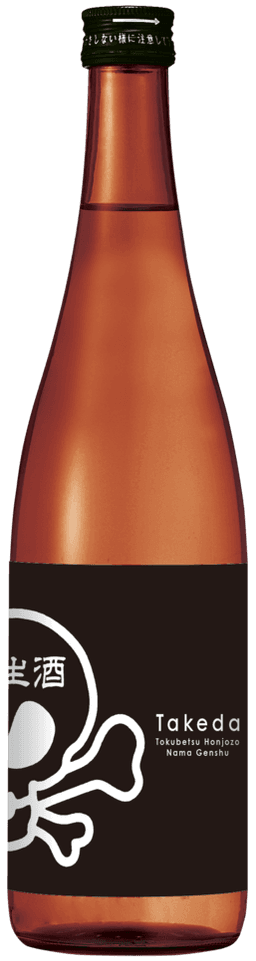
Takeda Special Honjozo Nama Genshu Black Skull
Score from Experts
90
Rating from Customers
4.5
2 reviews
2.4 Sparkling Sake – For a Unique Twist
What They Are: Beyond traditional sake styles, many beginners enjoy exploring sweeter options such as Nigori (cloudy, unfiltered sake) and Sparkling Sake. These types often have a creamy texture or bubbly effervescence, offering a unique twist. Why Beginners Love It: The sweetness of Nigori and the light sparkle of beverages like Mio Sparkling Sake can be very appealing for those new to Japanese alcohol. They are perfect for those who prefer a dessert-like drink or want to try something fun and different.

3. Top 5 Sake Recommendations for Beginners
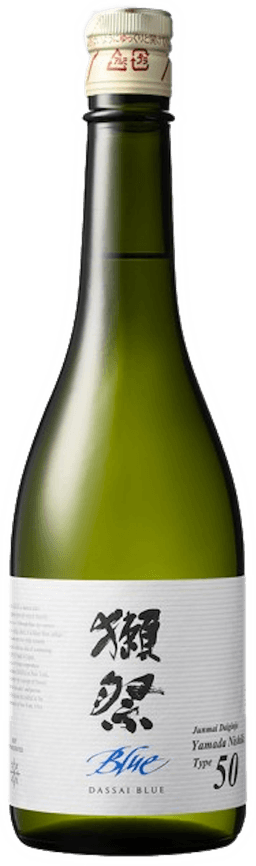
Dassai Blue Junmai Daiginjo 50
New York, USA
Score from Experts
88
Rating from Customers
4
14 reviews
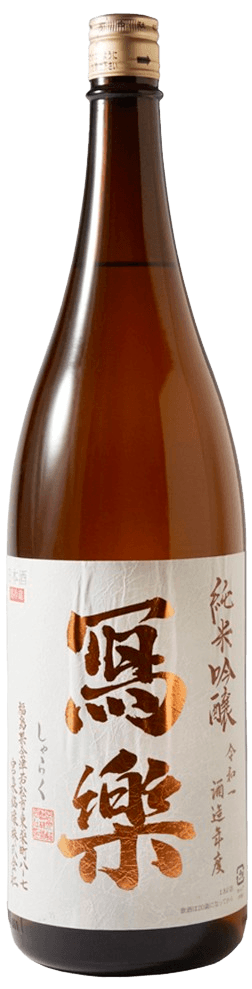
Sharaku Junmai Ginjo
Fukushima
Score from Experts
86
Rating from Customers
4.5
5 reviews
W Hidahomare Junmai Daiginjo Muroka Genshu 45
Rating from Customers
4.4
1 reviews
Takachiyo Junmai Ginjo Morino Kumasan 59
Niigata
Score from Experts
90
Rating from Customers
4.5
1 reviews
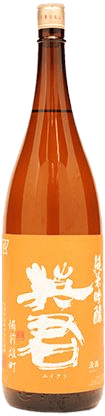
Eikun Junmai Ginjo Daidai Omachi
Shizuoka
Score from Experts
89
Rating from Customers
4.3
3 reviews
4. How to Choose the Right Sake: A Beginner’s Guide
When searching for the best sake for beginners, it’s important to know what to look for on the label. Here are some tips to help you choose the perfect bottle:
4.1. Read the Label Carefully
Look for key terms such as “Junmai,” “Ginjo,” or “Daiginjo.” These designations reveal important details about the sake’s brewing process and quality. For instance, a lower rice polishing ratio (e.g., 50% for Daiginjo) indicates a more refined flavor.
4.2 Understand Sake Metrics
Terms like “sake meter value” or “SMV” indicate sweetness or dryness. Generally, a balanced sake with a sake meter value around +1 to +5 is ideal for beginners.
4.3 Consider Serving Temperature
Some sakes are best served chilled (like Ginjo or Daiginjo), while others, such as Junmai and Honjozo, can also be enjoyed warm. For beginners, starting with chilled sake is usually a safe bet as it brings out delicate flavors.
5. How to Enjoy Sake: Tips for the Best Sake Drinking Experience
Once you’ve selected the best sake for beginners, here are some tips to maximize your enjoyment.
5.1 Serving Temperature
Japanese sake can be served chilled, at room temperature, or even warmed. For Ginjo and Daiginjo sakes, serve them chilled to highlight their fruity, floral notes. Conversely, Junmai and Honjozo sakes can be enjoyed warm, which enhances their rich, umami flavors. Experiment to see what best suits your palate.
5.2 Choosing the Right Glassware
Although traditional sake cups (ochoko) and a sake bottle (tokkuri) offer an authentic experience, many beginners prefer a wine glass to better appreciate the aroma and taste. The glass allows the delicate flavors of the best sake for beginners to shine.
5.3 Food Pairing Tips
Japanese sake pairs wonderfully with a wide variety of foods. For example, chilled Ginjo and Daiginjo sakes are excellent with sushi, sashimi, and light salads, while full-bodied Junmai and Honjozo sakes complement grilled meats, tempura, and savory stews. Don’t be afraid to try sake with non-Japanese cuisine—cheeses, pasta, and even spicy dishes can work well
5.4 Experiment and Enjoy
Sake is incredibly versatile. Try different serving temperatures, glassware, and food pairings until you find your perfect match. Remember, the journey to finding the best sake for beginners is as exciting as it is delicious!
6. Conclusion: Embark on Your Sake Journey Today!
Now that you’ve learned what Japanese sake is, explored the different sake types, and seen our top 5 recommendations, you are well-equipped to choose the best sake for beginners. Whether you opt for a crisp junmai, an elegant ginjo, or a fun sparkling sake, each bottle opens a door to Japan’s rich cultural heritage and culinary delights. Embrace this journey with confidence and let your taste buds explore the nuanced world of Japanese sake. Don’t hesitate to experiment—each sip is a step toward becoming a seasoned sake enthusiast. Cheers to discovering the perfect sake that transforms your dining experiences and brings you closer to the fascinating world of Japanese beverages!