
- ホーム
- Article's List
Article's List

Chizuru Fukui
Acidity and Temperature
Sake’s flavor can change dramatically with serving temperature (from yukibie / snow-chilled to kan / warmed). This time, I’m focusing on acidity.


Ryosuke Kuga
How I Store Nihonshu (Sake)
The special fridge I talked about before — Remacom. This fridge can keep the temperature between a regular refrigerator and a freezer, making it perfect for storing sake. In general, to slow down the aging of sake, it’s recommended to store it at –5°C to –10°C(14-23°F), a range called “ice temperature,” where water freezes but sake doesn’t. Personally, I’ve found –8°C(18°F) to be ideal for delicate sake. Because sake changes in flavor depending on its storage temperature, I adjust it based on what I want to enjoy: - Room temp when I want to bring out a bit more umami for robust, warm-serving sake - –8°C(18°F) when I want to keep it fresh - 0°C(32°F) when I want slow, gentle maturation Enjoying sake at home becomes even more fun when you control the temperature.
Ryosuke Kuga
Visited Nakazawa Shuzo
Nakazawa Shuzo (Matsuda, Kanagawa) Founded in 1825, Nakazawa Shuzo has crafted sake in the town of Matsuda for almost 200 years. Their signature label “Matsumidori” is still made entirely by hand — from koji to pressing — one of the few breweries that continue this traditional approach today. The brewery is shaped by the unique local environment: fresh spring water from Mt. Tanzawa, and the meeting winds from Mt. Fuji and Sagami Bay, all creating a climate that brings out the character of the land in every drop. The name “Matsumidori (松美酉)” carries the story of the region: 松 (Matsu) — the pine trees along the Sakawa River 美 (Bi) — the beautiful scenery of Matsuda and the beauty of this sake 酉 (Tori) — the shape of a sake jar, representing “sake” itself Nakazawa Shuzo once supplied rice to the lord of Odawara Castle, and later began brewing sake to present as tribute — a history that still lives in their craftsmanship today. If you’re looking for a brewery that blends craft, climate, and heritage, this is a must-visit.
Ryosuke Kuga
Origami Sake
I tried two bottles from Origami Sake this time. These are just my personal impressions. - Thousand Cranes Rich sweetness balanced with moderate acidity, giving it enough weight to pair well with bold, flavorful dishes. There’s a light bitterness and complexity in the finish that adds a clean edge. The aroma is pleasantly sweet with no off-notes. Best served cold — it can feel heavy when it warms up. - Angel Fish Very similar in structure to Thousand Cranes, almost hard to distinguish in a blind tasting. A faint ginjo-like aroma, rich sweetness, a milky mid-palate, and a smooth, slightly thick finish. Slightly cleaner and with fewer off-flavors than Thousand Cranes. Pairs well with rich dishes like meat, steak, and pizza. Best enjoyed cold. - Overall Made with Arkansas-grown rice, local water, and what seems to be their own? yeast (AK-24), these are truly local Arkansas sake. You can clearly feel the skill Ben brought back from his time training at Nanbu Bijin in Japan. The founder’s vision — “for Arkansas to become the Napa Valley of sake” — is inspiring, and it makes me want to support this brewery even more. These bottles show the excitement of exploring “local sake” made from the rice, water, and yeast of different parts of the world.
Ryosuke Kuga
Den - a cutting-edge CA Sake
Den 90 Kimoto — A Bottle Where Craftsmanship Speaks Directly Through Flavor I didn’t originally plan to buy Den that day—I was simply wandering through the supermarket, doing what every sake lover secretly does: scanning the shelves “just in case something interesting is there.” And then I saw it. Den 90 Kimoto. A bottle that instantly triggers memory rather than impulse. I remembered the visit to the brewery. The quiet intensity. The almost stubborn commitment to doing things by hand. Koji making done with absolute care, paddle work that looked closer to devotion than labor… and suddenly this bottle didn’t feel like a purchase—it felt like bringing a part of that place home. From the first pour, the personality arrives immediately. Full-bodied and satisfying, yet somehow wrapped in a gentle sweetness that softens the edges. Take a sip and the rice umami doesn’t just appear—it unfolds. Slowly, deliberately, with warmth and depth, like a story told by someone who knows you’re willing to listen. The more you drink, the more expressive it becomes. You start to sense the layers of effort, the thought behind every choice, and that unmistakable “human touch” that machine-made sake can never replicate. By the time the glass is empty, you’re not just satisfied—you’re quietly impressed, maybe even a little moved. This isn’t just “good sake.” It’s sake that speaks. And what it says feels incredibly real.
Ryosuke Kuga
Crazy label Nihonshu
Victor Throw into Kneebar (http://kikuzakari.jp/) — Tasting Notes The level of carbonation at opening is exceptionally high. While removing only half of the metal cover around the crown cap, internal pressure was released abruptly and the cork was launched forcefully, flying completely out of sight. Among active sakes, this ranks at the upper end of carbonation intensity; proper chilling and gradual depressurization are strongly recommended prior to opening. In appearance, the sake shows a faint haze. Upon pouring, fine bubbles rise continuously, forming a persistent mousse. Even after the initial foam subsides, a notable amount of dissolved CO₂ remains in the liquid. The aromatic profile is more restrained than the opening might suggest. Bright malic-acid–driven freshness leads, accompanied by lactic notes reminiscent of yogurt and a subtle young-rice grain aroma. Despite the high activity, there is no excessive volatility or reductive character; the nose remains well organized. On the palate, carbonation is the first clear impression, yet it does not feel coarse. The gas is evenly integrated into the structure of the sake rather than sitting on top of it. Acidity is sharp but controlled, sweetness remains modest, and amino-acid–derived umami is deliberately kept in check, resulting in a clean and agile profile. As temperature rises and carbonation gradually dissipates, rice-derived umami begins to emerge more clearly. The sake transitions from an energetic, sparkling expression toward a more stable, food-friendly balance. At this stage, it becomes evident that this is not merely a novelty driven by its name. Despite the aggressive imagery suggested by the label, the construction of the sake itself is methodical and well reasoned. Fermentation energy is neither suppressed nor allowed to run wild; instead, it is directed with precision. Opening the bottle demands a certain level of readiness from the drinker, but those who approach it carefully will find a sake of notable technical discipline and thoughtful design.

Kenta Hara
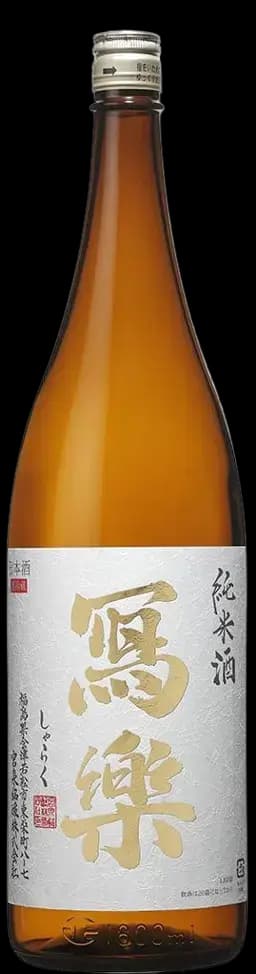
Sharaku: Miyaizumi's Award-Winning Sake
Discover Sharaku Sake from Miyaizumi—a masterpiece that blends traditional craftsmanship with modern, data-driven precision.
Kenta Hara
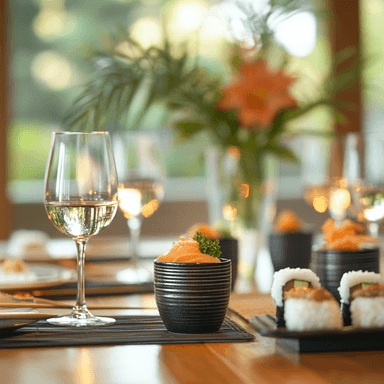
Best Sake for Beginners: The Ultimate Japanese Sake Guide
Are you searching for the best sake for beginners? Welcome to your ultimate Japanese sake guide! Whether you’re a curious U.S. foodie or a wine lover looking to try something new, this comprehensive article explains everything you need to know about Japanese sake. In this guide, you’ll learn what sake is, discover various sake types, explore top beginner-friendly recommendations, and find out how to choose and enjoy your first bottle of sake.
Ryosuke Kuga
Impact of Sake Brewing Water to Sake
Brewing water, or shikomi-mizu, refers to the water used during various stages of sake production, such as washing rice, soaking (shinseki), steaming, and fermenting in tanks. This water is an essential element in sake making, profoundly influencing its quality and flavor and I will explain the impact of Sake brewing water to Sake and its quality.

Chizuru Fukui
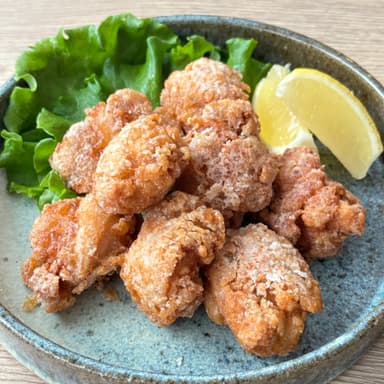
Karaage & Sake: Elevate Your Japanese Dining Experience
Calling All Sake Lovers! Meet the Perfect Snack to Pair with Your Favorite Sake If you’re a fan of sake, we’ve got an irresistible treat for you! Let us introduce karaage(Japanese Fried Chicken)—a staple of Japanese home cooking and izakaya (Japanese pub) menus. This crispy, juicy fried chicken pairs amazingly well with sake, creating a match made in culinary heaven. The savory richness of karaage perfectly complements the delicate flavors of sake, elevating your meal to new heights. Unlike traditional fried chicken, karaage doesn’t rely on heavy spices. It’s all about simplicity and flavor, making it a versatile dish that’s surprisingly easy to make with ingredients you can find at your local grocery store. Below, we’ve shared a simple karaage recipe along with recommendations for the best sake to pair with it.
Chizuru Fukui
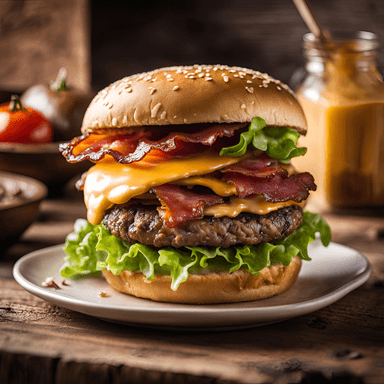
Sake for Meat Lovers
"The idea that sake only goes with fish or sushi is outdated! Sake pairs surprisingly well with meat dishes. The complex flavors of sake complement them perfectly, whether it’s juicy, savory grilled meats or tender steak. While beer and wine are typically chosen to accompany burgers and steaks, you should try for sake. You’ll be amazed at how delicious the pairing is! This article will introduce three sake recommendations that will elevate your favorite meat dishes.
Kenta Hara
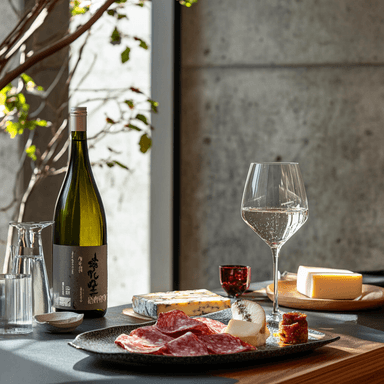
What Is Yamahai?
"Yamahai" is a traditional sake brewing process that highlights the natural development of lactic acid in the sake starter (also known as “shubo” or “moto”). Unlike modern methods, Yamahai allows lactic bacteria to flourish in a slower, more deliberate environment, resulting in bold flavors and heightened umami. This time-honored technique stands out for its rustic character, offering a taste experience that’s both rich and complex.
Chizuru Fukui
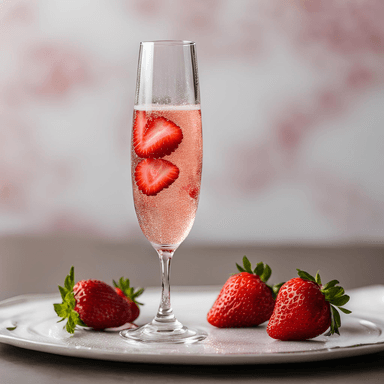
Sparkling Sake: The Perfect Blend of Tradition and Modernity
Sparkling sake is stealing the spotlight with its refreshing fizz, champagne-like elegance, and growing popularity among those new to sake. Its delicate bubbles and stylish appeal make it a hit for parties, celebrations, and even casual gatherings. And with a lower alcohol content (5–8%), it’s approachable even for first-timers. In this article, we’ll dive into the world of sparkling sake, exploring its charm, history, production, and pairing possibilities.
Chizuru Fukui
Buy Rare Japanese Sake Online in the U.S.
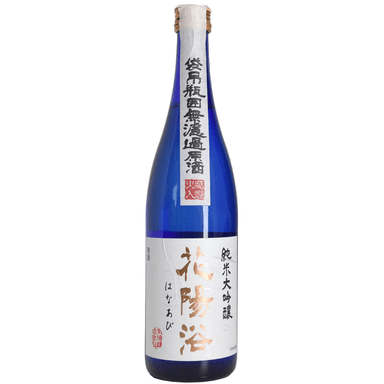
Attention Sake Lovers in the U.S.! A rare Japanese sake you can buy online in the U.S.—that’s Nanyo Brewery’s "Hanaabi". For those familiar with premium sake brands like Juyondai, Jikon, and Aramasa, Hanaabi has joined their ranks as one of the hardest-to-find sakes. On release days, fans line up before stores open to secure a bottle. It’s even referred to as a “phantom sake” in Japan. Here’s everything you need to know about Hanaabi.
Kenta Hara
HelloSake Launches New Sales Feature to Revolutionize Sake Shopping in the US
CA, United States — January 10, 2025 — HelloSake, the groundbreaking online marketplace for sake enthusiasts, is proud to unveil its new Sales Feature, developed to revolutionize how Americans discover and purchase Japanese Sake. In conjunction with this launch, HelloSake is thrilled to announce its inaugural retail partnership with Sake Trend, a leading U.S. sake retailer. This strategic collaboration signifies a milestone in HelloSake’s journey, bringing a curated selection of premium sake directly to U.S. consumers through an intuitive and innovative platform.
Ryosuke Kuga
Fukushima Sake
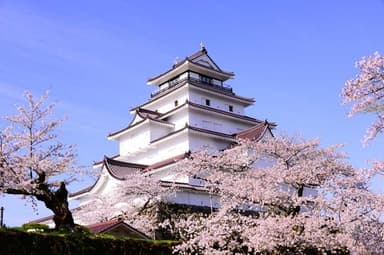
As introduced in the article titled “Met a High-Quality Sake and How I Fell in Love,” I love Fukushima Sake. My sake mentor was born and raised in Aizuwakamatsu, Fukushima Prefecture. For many years, he led our company’s sake enthusiasts’ club, tirelessly pursuing the finest sake. He loved sake more than anyone else, constantly seeking new encounters with different brews and cherishing the lively conversations that unfolded during sake gatherings. Thanks to his profound influence, I, too, have grown to love sake from Fukushima. What Makes Fukushima’s Sake So Special? Fukushima sake is a superstar in the world of Japanese sake, consistently topping the charts at the Sake Appraisal for its quality. Known for its soft, smooth flavors and crystal-clear taste, Fukushima’s sake is crafted in three distinct regions: Aizu, Nakadori, and Hamadori. Each area adds its unique twist, thanks to differences in climate, water, and rice. Behind this success is the brilliant work of Kenji Suzuki from the Fukushima Shuzo Kumiai (institute of breweries). He has been a game-changer, driving innovation in fermentation techniques and yeast development. His collaboration with local breweries has helped elevate Fukushima sake into a global brand loved by enthusiasts worldwide. The Magic of “Sharaku Junmai” from Miyaizumi Meijo If you’re looking for a sake that truly embodies the heart of Fukushima, Sharaku Junmai from Miyaizumi Meijo is a must-try. Even in Japan, now it is hard to find this due to continuous supply <<< demand situation. Here’s why this gem has captured the hearts of sake lovers everywhere: 1. A Perfectly Balanced Taste Sharaku Junmai is all about harmony. It greets you with a soft, fruity aroma, followed by a smooth wave of natural rice sweetness. The finish? Crisp and clean, leaving you refreshed and ready for the next sip. It’s the ultimate balance of sweet and dry, crafted to perfection. Please try with cold temperature. 2. Crafted with Care This sake is made using premium local rice varieties like Yume no Ka and Gohyakumangoku. Miyaizumi Meijo focuses on low-temperature fermentation to bring out the full potential of the rice, creating layers of flavor and aroma that are rich yet delicate. 3. A Food Lover’s Best Friend Whether you’re enjoying sashimi, sushi, grilled fish, or even tempura, Sharaku Junmai pairs effortlessly with a wide range of dishes. Its gentle acidity and umami make it a fantastic match for both traditional Japanese cuisine and more adventurous pairings like light Western or Chinese dishes. 4. Rooted in Culture and Innovation The name “Sharaku” pays homage to the famous Edo-period ukiyo-e artist, reflecting Miyaizumi Meijo's commitment to blending tradition with creativity. 5. The Hype is Real Thanks to its outstanding quality, Sharaku Junmai has become a highly sought-after sake, often selling out quickly. But trust us—it’s worth the hunt. One sip, and you’ll understand why it has a cult following. Wrap-Up Whether you’re diving into Fukushima’s sake culture or hunting for a bottle of Sharaku Junmai, one thing is clear: the combination of tradition, innovation, and a passion for excellence makes these sakes truly unforgettable. Cheers to discovering your next favorite bottle! 🥂✨ I have visited Miyaizumi Meijo in the past but there was no brewery tour. Here are some pictures from my trip to Fukushima. (Koji muro of Niida Honke, building of Aizu Chujo, Tsuruga jo (Castle Tsuruga) --Kuga
Ryosuke Kuga
My Encounter with Jikon Sake
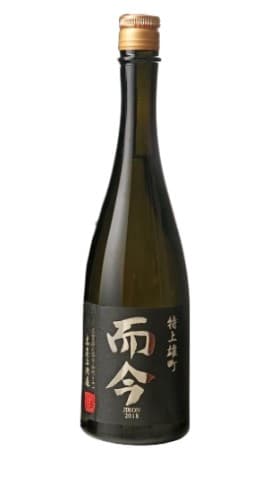
Hi there, While I was living in Japan, I once enjoyed a delicious Jikon at an izakaya and decided to buy it for myself. When I asked the store clerk where I could find them, I was told that it could only be sold to people who won a 'lottery'. That was my first introduction to the existence of rare sakes like Jikon. Although it was available at izakayas, I wanted to experience the joy of nurturing a sake at home, watching its flavors change day by day. From that day forward, I started visiting sake shops frequently. However, Jikon's popularity was overwhelming, and even after a year, I couldn’t get my hands on the Junmai Ginjo or Tokubetsu Junmai that I was aiming for. Just when I was feeling discouraged, I stumbled upon a bottle of “Tokujo Omachi” that wasn’t part of a lottery and happened to be on display at the store luckily. I cannot forget the moment I discovered it. Despite its higher price, I didn’t hesitate at all and even decided to treat myself to some premium tuna to pair with it. I first chilled the sake thoroughly, and when I took a sip, its refined aroma filled my mouth. The pairing with the medium-fatty tuna was absolutely exceptional. As the sake gradually warmed, its aroma became even more pronounced, and Jikon's signature light effervescence refreshed my palate with every sip. Although it was a pasteurized sake, it tasted incredibly fresh, and it was easy to tell that this was the result of countless trials and hard work by skilled artisans. Among Jikon's extensive lineup, this particular bottle stands out as one of the finest and most memorable sakes I’ve ever had. You can buy in our marketplace! --Kuga
Ryosuke Kuga
Met a high quality sake and how I fell in love
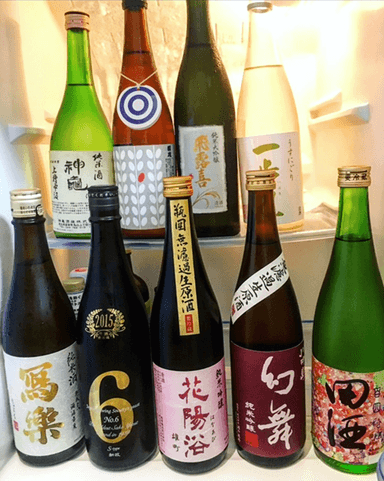
Back in my university days, I used to visit a liquor store near my house that carried bottles of Dassai and Aramasa, which weren’t all that famous at the time. I’d buy them occasionally, pair them with sashimi or Japanese food, and think, “Hey, this is pretty good!” But honestly, I didn’t have the habit of drinking sake back then. Most of my drinking was at parties with friends, where I’d just mindlessly drink beer, lemon sours, or whiskey soda. I knew sake was delicious, but the crowd I hung out with and the types of food we ate didn’t really encourage me to dive deeper into the world of sake. Fast forward a few years. After graduating from university, I started working—and that’s when everything changed. What pulled me into the sake rabbit hole was, of all things, a work-related farewell party. Not long after I joined the finance department, one of the executives in our team was promoted and transferred to a different role. Naturally, we decided to throw a farewell party, and since I was the youngest in the team, the job of picking the venue fell to me. (Classic Japanese workplace culture, right?) This executive was actually the one who hired me, so I saw this as the perfect chance to show my gratitude. The problem? I’d just started at the company and barely knew him, let alone worked with him enough to have any deep conversations. The only thing I knew about him was that he was a massive sake enthusiast. So, I had an idea: if I couldn’t impress him with work talk, maybe I could connect with him over sake. I started going to restaurants near the office that specialized in sake, eating and drinking by myself while searching for the perfect spot. I figured that even though I couldn’t match his experience in work, I could try speaking his “language” through sake. To do that, I dove into everything I could learn about sake. Who makes it? How is it brewed? What kinds of flavors are there? What foods pair well with it? Where can you find it? What’s the sake industry like? I was soaking it all in. What really blew me away, though, was the people I met during this process. The staff at sake restaurants and liquor stores were all so friendly and incredibly passionate about sake. Their knowledge and enthusiasm were on another level, and it made me even more excited to learn. Before I knew it, I wasn’t just researching a farewell party venue—I was actually enjoying sake for myself. In the end, I picked a place with 200 different types of sake and a 3-hour all-you-can-drink plan for the farewell party. And it turned out to be a hit! The party was so much fun. I got to bond with colleagues I rarely spoke to at work, and we all had a great time discussing sake—comparing flavors, talking about regions and brewing methods, and sharing our opinions on what we liked. It wasn’t just enjoyable; it was deeply satisfying. That night, I fell head over heels for sake. And honestly? I’ve been stuck in the sake rabbit hole ever since. (Fun fact: within a year, I somehow ended up with three refrigerators in my tiny apartment to store all my bottles. The picture is my first refrigerator filled with what I bought just after having that in 2016. At that time, we could easily get Aramasa No.6...) The farewell party was a huge success, and the executive loved the venue. After that, I even got invited to exclusive sake gatherings with the company’s 'Sake' executives. And that’s how my sake journey began. Oh, and the bottles that got me hooked? Sharaku, Kakurei, Aizu Chujo, Genbu and Fukucho—all amazing choices that I still hold close to my heart. And the venue was 'Manryo(萬亮)' in Daimon, Tokyo. --Kuga
Ryosuke Kuga
Discover the Elegance of Kikuhime Yamahai Genshu: for Sake Enthusiasts
Unveiling the Art of Kikuhime For centuries, sake has been more than just a drink—it’s a cultural experience that embodies Japan’s traditions, craftsmanship, and natural bounty. Among the many sake varieties, the name "Kikuhime" stands out as a symbol of quality and heritage. This newsletter takes a deep dive into one of Kikuhime’s masterpieces, the "Yamagin Genshu" (山廃吟醸原酒), a sake that harmoniously blends traditional brewing techniques with bold, complex flavors. What Makes Yamahai Brewing Special? The term "Yamahai" refers to a traditional sake brewing method that forgoes the addition of lactic acid during the initial fermentation process. Instead, it relies on naturally occurring lactic acid bacteria to develop, a process that takes time and requires meticulous care. This method produces sake with: -Rich Umami: A robust and savory flavor profile that complements hearty dishes. -Complex Aromas: Notes of earthiness, spice, and dried fruits that deepen as the sake matures. -Lingering Finish: A smooth yet impactful taste that leaves a lasting impression. Kikuhime has mastered the art of Yamahai brewing, ensuring every bottle reflects the essence of this time-honored technique. What is Genshu? "Genshu" means undiluted sake, which is bottled without adding water to adjust alcohol levels. This results in a more concentrated and flavorful experience. Kikuhime’s Yamagin Genshu typically boasts an alcohol content of 17-19%, delivering a bold yet well-balanced profile. The full-bodied nature of Genshu makes it an excellent choice for sipping slowly or pairing with richly flavored dishes. The Legacy of Kikuhime Kikuhime Brewery, located in Ishikawa Prefecture, has been crafting premium sake since its establishment in 1570. With over 450 years of history, Kikuhime represents a perfect blend of tradition and innovation. The brewery’s commitment to using local ingredients, pure water from the Hakusan mountains, and traditional brewing methods ensures every sip is an authentic taste of Japan’s sake heritage. Tasting Notes: A bottle of Kikuhime Yamagin Genshu is an invitation to explore layers of flavor and aroma. Here’s what you can expect: Appearance : The sake pours a slightly golden hue, indicative of its rich character and extended aging process. Nose : The aroma reveals hints of toasted nuts, dried fruits like apricots and figs, and a subtle undercurrent of caramel and spices. Palate : The initial sip offers bold flavors of umami, balanced by a slight tanginess and earthy notes. As it opens up, you’ll notice hints of vanilla, roasted chestnuts, and a touch of minerality. Finish : The finish is long and satisfying, with a gentle warmth that lingers, inviting another sip. Pairing Suggestions Kikuhime Yamagin Genshu shines when paired with dishes that complement its bold flavors. Here are some suggestions: -Grilled Meats: The umami-rich profile enhances the smoky flavors of yakitori, grilled beef, or pork belly. -Aged Cheeses: Pair with sharp cheddar, gouda, or blue cheese to match the complexity of the sake. -Japanese Hot Pot (Nabe): The sake’s robust nature complements the rich broths of sukiyaki or oden. -Dark Chocolate: For dessert, try a pairing with dark chocolate or chocolate truffles for a luxurious finish. How to Enjoy Kikuhime Yamagin Genshu To fully appreciate this sake, consider the following serving tips: -Temperature: Yamagin Genshu can be enjoyed at various temperatures. Warm it to around 40-50°C to highlight its umami and richness, or serve it slightly chilled (10-15°C) for a crisper experience. -Glassware: Use a wine glass or a traditional ochoko to concentrate the aromas and enhance the tasting experience. -Aging Potential: While ready to drink upon purchase, this sake’s complex profile can evolve further with proper aging, offering new tasting dimensions over time. Why Choose Kikuhime Yamagin Genshu? In a world of mass-produced beverages, Kikuhime Yamagin Genshu stands as a testament to the artistry of small-batch sake brewing. Here’s why it’s a must-try: -Authenticity: Crafted with traditional methods that honor centuries-old practices. -Flavor: A rich and complex profile that satisfies both novices and connoisseurs. -Versatility: Suitable for a range of occasions, from celebratory to contemplative moments. Where to Find Kikuhime Yamahai Genshu You can find this in HelloSake (link below)! Closing Thoughts: A Toast to Tradition Kikuhime Yamagin Genshu is more than just sake; it’s a journey into Japan’s rich cultural and culinary heritage. Whether you’re a seasoned sake enthusiast or exploring this world for the first time, this exceptional brew promises a memorable experience. Raise your glass and discover the magic of Kikuhime Yamagin Genshu today. Kanpai! --Kuga
Ryosuke Kuga
Sakagura (Breweries) MAP #1
HI there, I found the Sake Brewery Map on Japanese IRS website. This tells -Where the sake breweries are located in each area. -Whether the sake breweries sell sake onsite or not. -Whether the breweries accept tours or not (you need to check directly with the brewery to be sure). -Whether the breweries support English or not. I really like the sake brewery tours in Fukushima Prefecture. It's easy to get to because it's close to Tokyo by bullet train, and many of the breweries are close to the station and relatively adjacent to each other. Niida honke , Suehiro, Miyaizumi, Trusunoe etc... are the ones I went at once. #sake #日本酒 #nihonshu #brewery #brewerytour